







What Parents Should Know Before Feeding Their Children
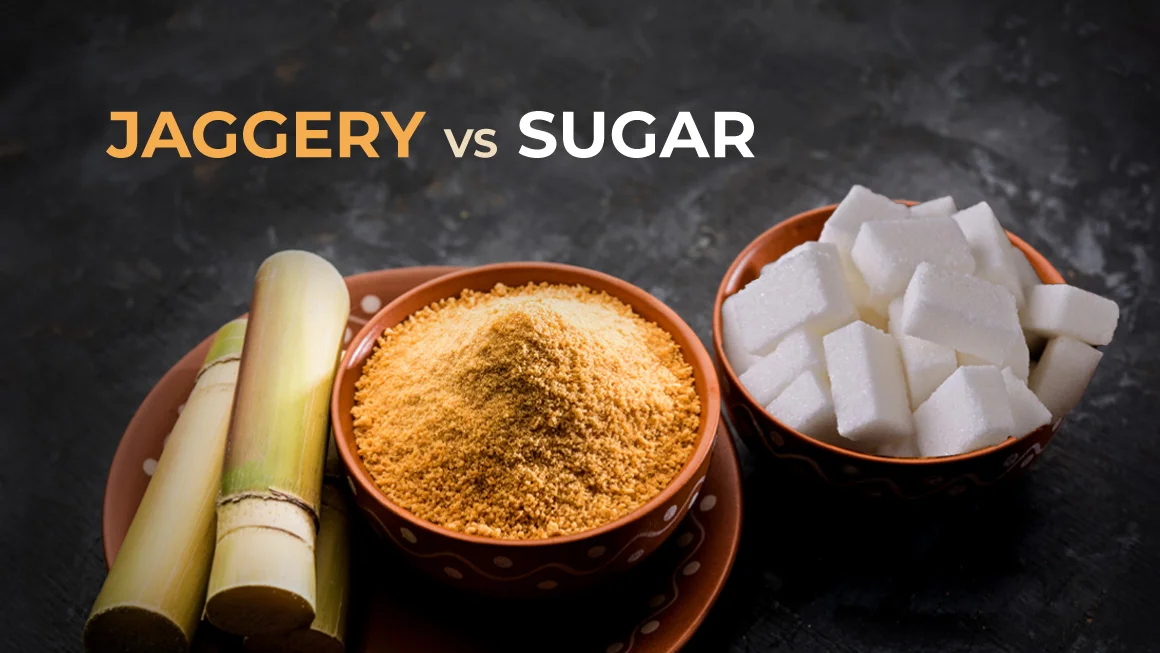
The two most debated topics for sweetening foods for children are jaggery vs sugar. Both are widely used sweeteners, both come from sugarcane or palm sources, and both add a pleasant taste to food. However, the way they are processed and how they affect the child’s health may differ considerably. Understanding the differences between the two will help parents make better choices for the nutrition and overall well-being of their child.
What is sugar?
Refined white sugar is produced through an extensive processing method that eliminates all molasses, minerals, and nutrients, therefore leaving behind just sucrose. It means sugar contains calories but no vitamins and minerals. Its primary purpose is to add sweetness, and it dissolves easily in foods and drinks. Due to the fact that it is quickly digested and absorbed into the bloodstream, sugar can cause rapid highs of energy followed by steep drops—commonly referred to as sugar crashes.
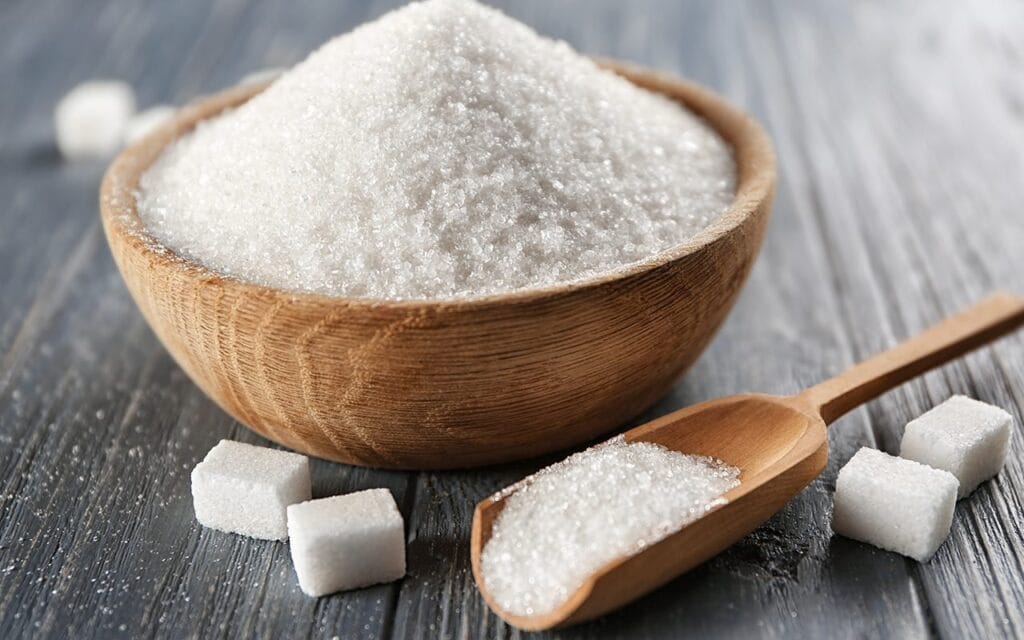
This swift increase and decrease of energy in children may alter their mood, concentration, and appetite. It can also create cravings and overeating if taken too frequently.
What is jaggery?
Jaggery is a traditional product, also called “gur,” which is made by boiling the juice of sugarcane or palm sap until it reaches a crystallizing state and turns into a solid block. Unlike refined sugar, jaggery retains part of natural molasses, which has tiny amounts of minerals such as iron, potassium, and magnesium. These nutrients are not found in sugar since it has gone through an extensive processing process.
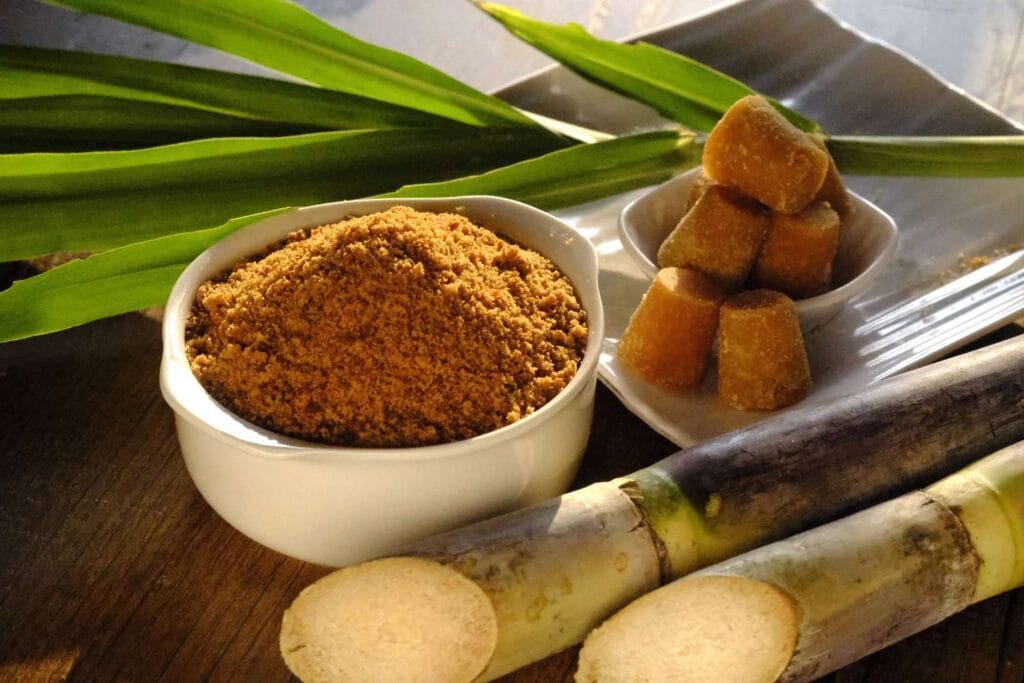
It has a grainy or soft texture with a rich, earthy flavor. It is a little less sweet than sugar, as it contains molasses, which gives it more of a deep taste than sugar.
Nutritional Differences: Jaggery vs Sugar
- The main difference between jaggery and sugar is their nutritional value. While sugar only provides empty calories devoid of any nutrients, jaggery delivers trace minerals that contribute to health.
- Iron in jaggery helps maintain healthy levels of hemoglobin.
- Potassium helps support fluid balance and muscle function.
- Magnesium is good for the bones and nerves.
- Although jaggery does not contain enough nutrients to replace a balanced diet, it offers more nutritional benefits compared with sugar.
How Do They Affect Children?
- Energy Levels
Sugars cause a quick rise in the level of blood sugar. This results in bursts of hyperactivity followed by fatigue. Jaggery releases energy more slowly, keeping the energy levels even throughout the day.
- Digestion
Jaggery is conventionally believed to aid digestion. Many parents give small quantities of jaggery to children after meals for digestive comfort. Sugar, on the other hand, does not offer digestive benefits.
- Immunity and Overall Health
Because jaggery contains antioxidants and minerals, it can help support immunity. Sugar has no such benefits, and in excess, it may weaken the immune system over time.
Risks and Precautions
- While jaggery may be a healthier alternative to sugar, they are both sweeteners and need to be taken in moderation.
- High calorie content: Both contribute to calorie intake and excessive use may lead to weight gain.
- Blood sugar levels: Jaggery can still raise blood sugar and should not be viewed as a “diabetic-friendly” option.
- Quality issues: Some of the jaggery available in the market may contain impurities if not hygienically produced.
- Dental health: Poor oral hygiene can result in tooth decay both from jaggery as well as sugar.
- Parents should regard jaggery as a moderately better substitute, not a complete alternative to healthy foods.
Which Sweetener Should Parents Choose?
Jaggery comes out to be more nutritious in the jaggery vs sugar comparison. In daily life and in small quantities, jaggery is a healthier alternative for kids. It provides sweetness along with trace minerals without causing excessive energy spikes.
But, of course, everything in moderation. No sweetener, whether jaggery or sugar, should ever form the backbone of a child’s diet. Whole fruits, naturally sweet foods, and balanced meals should always be the cornerstone of a child’s nutrition.
The jaggery vs. sugar debate is not about choosing the perfect sweetener but rather which among them is better. Jaggery has more nutrients and a gentler impact on energy levels, hence is preferred for children. Sugar, for convenience and widespread use, does not have any nutritional benefits. Parents who intend to add some sweetness to their child’s food can use jaggery, but they must remember that both should be used in limited quantities. Healthy eating habits, wholesome meals, and being conscious about the intake of sweets will help a child more in the long run rather than choosing one sweetener over another.